
How Much Does It Cost to Close on a House in North Carolina?
Closing costs are one of the most important parts of any real estate transaction, but many buyers and sellers are not sure what to expect until the very end. In North Carolina, closing costs can vary depending on the type of transaction, whether financing is involved, and which fees are being paid by the buyer or seller.
Below is a simple breakdown of common closing costs in North Carolina and what you should expect before closing day.
What Are Closing Costs?
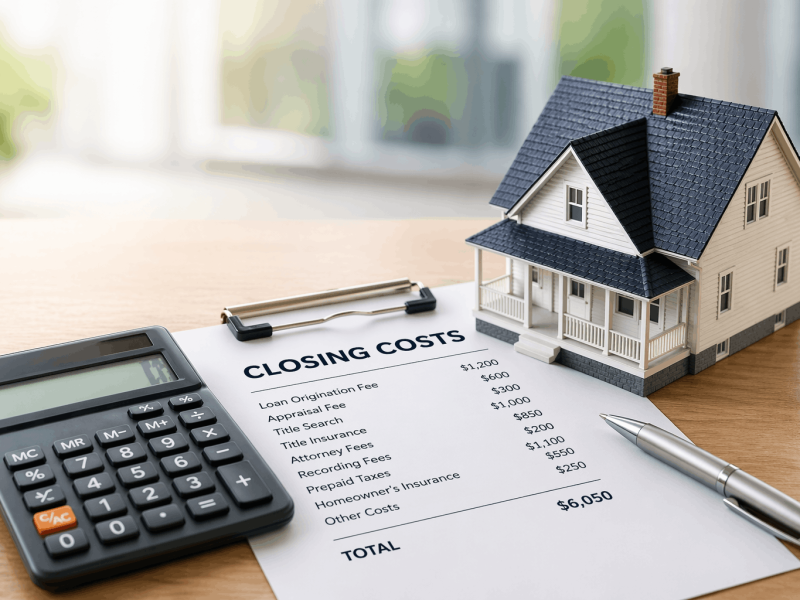
Closing costs are the fees and expenses that must be paid in order to complete a real estate transaction. These costs are separate from the purchase price of the property and may include attorney fees, title insurance, lender fees, recording fees, prorated taxes, and more.
Some closing costs are paid by the buyer, some are paid by the seller, and some may be negotiated in the purchase contract.
How Much Are Closing Costs in North Carolina?
In North Carolina, closing costs usually depend on the price of the home, whether there is a mortgage involved, and the details of the transaction. Buyers often pay lender-related fees, title insurance, and attorney fees, while sellers are more likely to pay deed preparation costs, payoff-related charges, prorations, and any negotiated seller expenses.
The exact total will vary, which is why it is important to review a detailed closing disclosure or settlement statement before closing day.
Buyer Closing Costs in North Carolina
Buyers are often responsible for a number of closing costs, especially if they are financing the purchase.
- Real estate attorney fees: Covers the legal work required to handle the closing properly.
- Title search: Verifies ownership and checks for liens, judgments, or other title issues.
- Title insurance: Protects against certain title defects that may not be discovered until later.
- Lender fees: May include underwriting, appraisal, credit report, and loan origination costs.
- Recording fees: Covers the cost of filing documents with the county.
- Prepaid items and escrows: May include homeowner’s insurance, property taxes, and prepaid interest.
Seller Closing Costs in North Carolina
Sellers also have closing costs, even though buyers are often more focused on them during the process.
- Attorney fees: Depending on the transaction, sellers may also have legal fees associated with the closing.
- Mortgage payoff: Existing loans must be paid off at closing.
- Prorated taxes and dues: Property taxes or HOA dues may need to be prorated.
- Deed preparation: The deed and related transfer documents must be prepared properly.
- Recording and payoff-related costs: Additional fees may apply depending on the transaction.
- Negotiated seller concessions: In some contracts, the seller may agree to contribute toward the buyer’s closing costs.
Real Estate Attorney Fees in North Carolina
North Carolina is an attorney state, which means a licensed attorney plays a central role in the closing process. The attorney handles important legal steps such as reviewing the contract, conducting the title search, preparing documents, coordinating the closing, and overseeing the transfer of funds and recording.
Because of that, real estate attorney fees are a normal part of closing costs in North Carolina. The amount will depend on the type of transaction and the work involved, but working with an experienced closing attorney helps reduce delays and avoid costly mistakes.
If you want to review our current rates, you can view our closing costs and fee information here or our fee schedule.
Who Pays Closing Costs in North Carolina?
There is no one-size-fits-all rule. Some costs are customarily paid by the buyer, while others are customarily paid by the seller. However, many items are negotiable and may be addressed in the purchase contract.
For example, a seller may agree to pay part of the buyer’s closing costs as part of the deal, or the parties may agree to split certain expenses differently depending on the circumstances.
How to Prepare for Closing Costs
The best way to avoid surprises is to prepare early and ask questions before closing day. Buyers and sellers should review their paperwork carefully and stay in communication with their closing attorney, lender, and Realtor.
- Ask for a detailed estimate as early as possible
- Review your closing disclosure or settlement statement carefully
- Be ready to send funds securely before closing
- Understand whether you need to bring a wire transfer or certified funds
You can learn more about how to bring funds to closing here.
Why Closing Costs Matter
Closing costs are not just random fees added at the end of a transaction. They cover the legal, financial, and administrative work required to transfer ownership properly. Understanding these costs ahead of time can help you budget better, reduce stress, and make the closing process much smoother.
Related Guides
- Real estate closing process: step-by-step — what happens from contract to recording
- Understanding closing costs — broader overview for buyers and sellers
- What is a title search? — one of the key line items in your closing costs
Work With an Experienced North Carolina Closing Attorney
Every closing is different. Cash purchases, financed transactions, investment properties, refinances, and title issues can all affect the final costs. Working with an experienced closing attorney helps ensure that your transaction is handled correctly from start to finish.
If you are buying or selling property in North Carolina, our team can help guide you through the process. Learn more about our real estate closing services in North Carolina or contact us today.